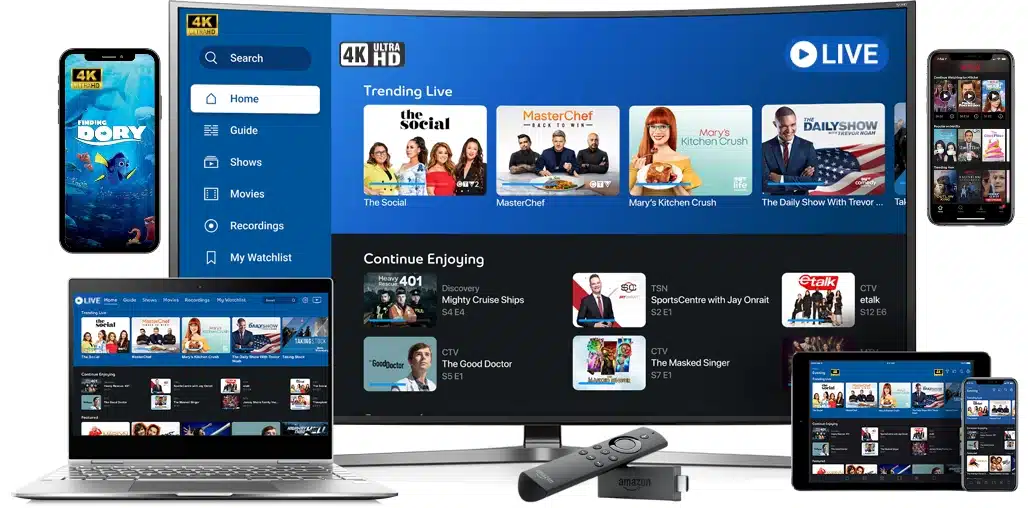

Television is changing faster than ever before. Gone are the days of rigid schedules and expensive cable bundles that limit your choices. Today, viewers in the United States crave freedom and flexibility in their daily entertainment routines.
The current iptv trend shows a massive shift toward streaming media over internet protocols. Experts predict a steady market growth of about 15% every year through 2026. Better internet access and a high demand for shows drive this global surge.

Modern iptv providers deliver high-quality signals directly to your favorite digital devices. You no longer need a bulky satellite dish to enjoy live sports or the latest movies. Instead, these services use IP networks to offer a highly personalized viewing experience.
Whether you are at home or on the go, staying connected to your favorite media is easy. This technology makes it simple to watch what you want, right when you want it. It truly marks the start of a exciting new era in digital broadcasting.
Table of Contents
Key Takeaways
- The global market expects a 15% annual growth rate through 2026.
- Streaming services use IP networks instead of traditional cable or satellite.
- Rising internet penetration fuels the worldwide move toward digital viewing.
- Users enjoy much more control over their schedules with on-demand content.
- Flexible viewing options work seamlessly across various mobile and home devices.
- Personalized experiences help modern viewers find relevant entertainment much faster.
1. Why IPTV is Revolutionizing How We Watch Television
With its innovative approach to content delivery, IPTV is revolutionizing the way we watch television, making it more on-demand and user-centric. One of the primary reasons IPTV is gaining popularity is its ability to offer on-demand viewing, allowing users to watch their favorite shows and movies at a time that suits them best.
This shift towards on-demand content is driven by consumers seeking more control over their viewing experience. Unlike traditional television, where viewers are tied to a broadcast schedule, IPTV provides the flexibility to watch content anywhere, anytime, on various devices. This personalization and flexibility are key factors in IPTV’s growing appeal.

Another significant advantage of IPTV is its vast content library. Legal IPTV providers offer a wide range of channels and on-demand content, including movies, TV shows, sports, and more. This variety ensures that there’s something for everyone, catering to diverse viewer preferences.
To understand the impact of IPTV, let’s compare it with traditional TV in terms of content delivery and viewer experience:
| Feature | Traditional TV | IPTV |
|---|---|---|
| Content Delivery | Broadcast schedule | On-demand |
| Viewing Flexibility | Limited to TV set | Multi-device support |
| Content Variety | Limited channels | Wide range of channels and on-demand content |
As shown in the table, IPTV offers a more flexible and varied viewing experience compared to traditional TV. The role of legal IPTV providers is crucial in this context, as they ensure that the content is delivered securely and reliably, adhering to copyright laws and regulations.
For more information on how to identify and choose legal IPTV providers, refer to Section 6: Navigating Legal IPTV Providers and Services. This section provides insights into the characteristics of legitimate IPTV services and tips for selecting the right provider for your needs.
2. What is IPTV and How Does It Work?
Internet Protocol Television, commonly known as IPTV, is revolutionizing entertainment by providing a new way to access television content. IPTV uses internet protocols to deliver TV programming, offering a more flexible and personalized viewing experience compared to traditional television.
Understanding Internet Protocol Television Technology
IPTV technology involves transmitting television content over the internet using Internet Protocol (IP). This method allows for the delivery of live TV, on-demand content, and other multimedia services directly to consumers through their internet connection. Unlike traditional broadcast methods, IPTV enables users to stream content directly to their devices, providing greater control over what they watch and when.
The key to IPTV’s functionality lies in its ability to stream content in real-time or provide on-demand access to a vast library of programs. This is made possible through advanced streaming protocols and video delivery systems that ensure high-quality video and minimal buffering.
The Difference Between IPTV and Traditional Cable TV
One of the main differences between IPTV and traditional cable TV is the delivery method and infrastructure. Traditional cable TV relies on a physical cable connection to deliver content, whereas IPTV uses the internet.
Delivery Methods and Infrastructure
IPTV services utilize the existing internet infrastructure, allowing users to access TV content through various devices connected to the internet, such as smart TVs, smartphones, and tablets. This contrasts with traditional cable TV, which requires a dedicated cable connection.
Content Accessibility and Flexibility
IPTV offers greater flexibility in terms of content accessibility. Users can watch their favorite shows and movies on-demand, pause live TV, and even record content for later viewing. The list of benefits includes:
- On-demand content access
- Pause and rewind live TV
- Multi-device support
- Personalized viewing experiences
When choosing an IPTV service, it’s essential to consider the best iptv streaming apps available. Some popular options include apps designed for smart TVs and mobile devices, ensuring a seamless viewing experience across different platforms.

How IPTV Differs from OTT Streaming Services
While both IPTV and OTT (Over-The-Top) streaming services deliver content over the internet, there are key differences between them. IPTV typically involves a more traditional TV service model, where users subscribe to a service that offers live TV channels and on-demand content. In contrast, OTT services provide content directly over the internet without the need for a traditional TV subscription.
When selecting an iptv provider, it’s crucial to consider factors such as content offerings, streaming quality, and customer support. By understanding the differences between IPTV and other streaming technologies, consumers can make informed decisions about their entertainment options.
3. The Technology Powering Modern IPTV Services
The backbone of IPTV services is formed by sophisticated streaming protocols and video delivery systems. These technologies are crucial in ensuring that content is delivered efficiently and effectively to users.
Streaming Protocols and Video Delivery Systems
IPTV relies on various streaming protocols to manage the delivery of content. Two key aspects of these protocols are multicast and unicast streaming, as well as adaptive bitrate technology.
Multicast vs Unicast Streaming
Multicast streaming allows a single stream to be sent to multiple users simultaneously, reducing bandwidth usage. In contrast, unicast streaming dedicates a separate stream to each user, which can increase bandwidth requirements but offers more control over the streaming experience.
“Multicast is a key technology for IPTV, enabling service providers to efficiently deliver live TV channels to a large number of subscribers.”
— IPTV Industry Report
Adaptive Bitrate Technology
Adaptive bitrate technology adjusts the quality of the video stream in real-time based on the user’s internet connection. This ensures a smooth viewing experience even during network fluctuations. Adaptive bitrate streaming is crucial for maintaining high-quality video playback, especially in areas with variable internet speeds.
Bandwidth Requirements and Internet Speed Considerations
The quality of an IPTV service is heavily dependent on the available bandwidth and internet speed. Higher bandwidths support higher quality video streams, while lower bandwidths may result in buffering or reduced video quality.
The expansion of 5G networks is expected to significantly enhance IPTV experiences by providing the high bandwidth and low latency required for seamless streaming. For a legal iptv subscription, it’s essential to have a stable internet connection that meets the minimum speed requirements recommended by the service provider, supporting the growing iptv trend towards more personalized and on-demand content.
4. Current IPTV Trend Shaping the Streaming Landscape
The IPTV landscape is undergoing a significant transformation, driven by changing consumer preferences and technological advancements. As a result, the way people consume television is changing dramatically.
4.1 The Shift from Cable to Internet-Based Television
The trend of cord-cutting is driving the growth of IPTV, with consumers increasingly seeking on-demand content and personalized viewing experiences. According to recent statistics, the number of cord-cutters in the United States has been steadily increasing.
4.1.1 Cord-Cutting Statistics in the United States
In the United States alone, it’s estimated that over 30% of households have abandoned traditional pay-TV services in favor of internet-based alternatives. This shift is largely driven by the desire for more flexible and affordable viewing options.
4.1.2 Consumer Behavior Changes
Consumers are now more inclined towards services that offer on-demand content, allowing them to watch what they want, when they want. This change in behavior is forcing traditional TV providers to adapt and evolve their offerings.
4.2 On-Demand Content and Personalization Features
One of the key drivers of IPTV’s popularity is its ability to offer on-demand content and personalized viewing experiences. AI-driven content recommendations are playing a crucial role in enhancing user engagement.
4.2.1 AI-Driven Content Recommendations
By analyzing user viewing habits, AI algorithms can suggest relevant content, making it easier for users to discover new shows and movies. This level of personalization is a significant advantage over traditional TV services.
4.2.2 Cloud DVR Capabilities
Cloud DVR capabilities are another feature that is gaining popularity among IPTV users. This allows users to record and store content in the cloud, making it accessible from any device.
4.3 Multi-Device Streaming and Mobility
The ability to stream content across multiple devices is a key benefit of IPTV. Whether it’s a smart TV, mobile device, or desktop computer, users can access their favorite shows and movies from anywhere.
4.4 4K and HDR Content Delivery
The delivery of 4K and HDR content is becoming increasingly important for IPTV providers. These technologies offer a superior viewing experience, with higher resolution and better color accuracy.
As the demand for high-quality content continues to grow, IPTV providers are investing heavily in 4K and HDR capabilities. This not only enhances the user experience but also sets IPTV apart from traditional TV services.
5. Navigating Legal IPTV Providers and Services
As the IPTV market continues to expand, it’s crucial for consumers to understand how to navigate the complex landscape of legal IPTV providers. With numerous services available, distinguishing between legitimate and illicit offerings can be challenging.
5.1 How to Identify Legal IPTV Providers
Identifying legal IPTV providers involves verifying their licensing and content rights. Legitimate services obtain the necessary permissions to broadcast content, ensuring compliance with copyright laws.
5.1.1 Licensing and Content Rights Verification
To verify a provider’s legitimacy, look for clear information about their licensing agreements and content rights. Reputable services typically provide this information on their websites or upon request.
5.1.2 Red Flags of Illegal Services
Be cautious of IPTV services that:
- Offer extremely low prices compared to established services
- Lack clear information about their licensing and content rights
- Have poor customer reviews and ratings
- Use suspicious or unverified payment methods
5.2 Top Legal IPTV Subscription Services in the United States
Several IPTV services operate legally in the United States, offering a range of channels and content. Here are some of the top legal IPTV subscription services:
5.2.1 YouTube TV
YouTube TV is a popular IPTV service that offers live TV, on-demand content, and cloud DVR storage. It provides access to a wide range of channels, including sports, news, and entertainment.
5.2.2 Hulu Plus Live TV
Hulu Plus Live TV combines live television with Hulu’s on-demand content library. It offers a variety of channels and plans, catering to different viewer preferences.
5.2.3 Sling TV
Sling TV is a customizable IPTV service that allows users to select from various channel packages. It offers flexibility and affordability, making it a popular choice among cord-cutters.
5.2.4 FuboTV
FuboTV is a sports-focused IPTV service that offers a range of channels, including sports, news, and entertainment. It’s known for its extensive sports coverage and cloud DVR capabilities.
| Service | Key Features | Pricing |
|---|---|---|
| YouTube TV | Live TV, on-demand content, cloud DVR | $64.99/month |
| Hulu Plus Live TV | Live TV, on-demand content, cloud DVR | $64.99/month |
| Sling TV | Customizable channel packages, cloud DVR | $25-$40/month |
| FuboTV | Sports-focused, live TV, cloud DVR | $59.99-$79.99/month |
5.3 The Risks of Illegal IPTV Sites
Using illegal IPTV sites poses significant risks to consumers, including legal consequences and security threats.
5.3.1 Legal Consequences
Subscribing to or using illegal IPTV services can result in legal action, including fines and penalties. Copyright holders actively pursue unauthorized streaming services.
5.3.2 Security and Privacy Concerns
Illegal IPTV sites often lack robust security measures, putting users’ personal and financial information at risk. Malware and data breaches are common concerns.
5.4 What to Look for in a Legitimate IPTV Service
When selecting an IPTV service, consider factors such as content offerings, pricing, customer support, and device compatibility. Legitimate services provide clear information and reliable streaming experiences.
By understanding how to identify legal IPTV providers and being aware of the risks associated with illegal services, consumers can make informed decisions and enjoy a secure and satisfying viewing experience.
6. Best IPTV Streaming Apps for Every Device
As IPTV technology continues to evolve, the range of streaming apps available for various devices has expanded significantly. This growth has made it easier for consumers to access their favorite content across different platforms.
IPTV Apps for Smart TVs and Streaming Devices
Smart TVs and streaming devices have become increasingly popular for IPTV streaming due to their convenience and high-quality display. Several apps cater specifically to these devices, enhancing the viewing experience.
Roku Channel Applications
Roku devices support a variety of IPTV apps, including popular services like IPTV Smarters and TiviMate. These apps offer user-friendly interfaces and robust content libraries.
Amazon Fire TV Compatible Apps
Amazon Fire TV users can enjoy IPTV streaming through apps such as IPTV Extreme and SS IPTV. These apps are designed to work seamlessly with Fire TV’s interface.
Apple TV IPTV Solutions
For Apple TV users, apps like GSE Smart IPTV and TiviMate IPTV Player provide a smooth and intuitive IPTV streaming experience.
Mobile IPTV Applications for iOS and Android
Mobile devices are a popular choice for IPTV streaming, thanks to their portability. Both iOS and Android platforms have a range of IPTV apps available.
Cross-Platform Features
Many IPTV apps, such as IPTV Smarters Pro, offer cross-platform compatibility, allowing users to stream content across multiple devices using a single subscription.
Offline Viewing Capabilities
Some IPTV apps provide offline viewing capabilities, enabling users to download content for later viewing. This feature is particularly useful for those with limited internet connectivity.
Desktop and Browser-Based IPTV Solutions
For those who prefer watching on a larger screen or need to access IPTV services on their computer, desktop and browser-based IPTV solutions are available.
These solutions often come in the form of web-based players or desktop applications that can be easily installed on a computer.
7. Choosing the Right IPTV Providers for Your Needs
With numerous IPTV providers available, it’s crucial to evaluate your options carefully to find the best fit for your entertainment needs. The process involves considering several key factors that can significantly impact your viewing experience.
Comparing Content Libraries and Channel Offerings
The content offered by IPTV providers can vary widely, making it essential to compare what’s available. This includes examining the range of channels, on-demand content, and any exclusive programming.
Sports Programming Options
For sports enthusiasts, the availability of sports channels is a critical consideration. Some IPTV providers offer extensive sports coverage, including live events and sports news channels.
News and Entertainment Channels
A good IPTV service should also provide a comprehensive selection of news and entertainment channels. This can include popular TV shows, movies, and documentaries.
International Content Availability
For those interested in international content, it’s worth looking for IPTV providers that offer channels and on-demand content from around the world.
| IPTV Provider | Sports Channels | News Channels | International Content |
|---|---|---|---|
| Provider A | 100+ | 50+ | Yes |
| Provider B | 50+ | 30+ | Limited |
| Provider C | 150+ | 70+ | Yes |
Pricing Models and Subscription Options
IPTV providers offer various pricing models and subscription plans. Understanding these can help you choose a service that fits your budget.
Monthly vs Annual Plans
Some providers offer discounts for annual subscriptions, while others prefer monthly payments. It’s essential to consider which option is more cost-effective for you.
Add-On Packages and Premium Channels
Many IPTV services offer additional packages or premium channels that can enhance your viewing experience. These might include extra sports channels or exclusive content.
According to a recent survey, “The flexibility in pricing and packaging is a significant factor for consumers when choosing an IPTV service.”
“Consumers are looking for IPTV services that offer flexible pricing models and the ability to customize their channel lineup.”
Customer Support and Service Reliability
Reliable customer support is vital for resolving any issues that may arise with your IPTV service. Look for providers that offer 24/7 support and have a reputation for reliability.
Key Considerations:
- Content variety and availability
- Pricing and subscription flexibility
- Customer support quality
By carefully evaluating these factors, you can select an IPTV provider that meets your needs and enhances your entertainment experience.
8. The Benefits and Challenges of IPTV Adoption
As IPTV continues to gain popularity, it’s essential to weigh its benefits against its challenges. The adoption of IPTV services offers several advantages, including cost savings and flexibility, making it an attractive option for many consumers.
Cost Savings and Flexibility Advantages
One of the primary benefits of IPTV is its potential for cost savings. Unlike traditional cable or satellite TV, IPTV services often come with more flexible pricing models.
No Long-Term Contracts
IPTV services typically do not require long-term contracts, allowing users to cancel or modify their subscriptions at any time. This flexibility is particularly appealing to those who prefer not to be locked into lengthy agreements.
Customizable Channel Packages
Many IPTV providers offer customizable channel packages, enabling users to select the channels and content that best suit their viewing preferences. This tailored approach can help reduce costs by eliminating unnecessary channels.
Technical Requirements and Potential Limitations
Despite its advantages, IPTV also comes with certain technical requirements and potential limitations. A stable and fast internet connection is crucial for a seamless viewing experience.
Internet Connection Dependencies
IPTV relies heavily on a stable internet connection. Users with slow or unreliable internet may experience buffering, lag, or poor video quality. According to a study on IPTV technology, a minimum internet speed of 5 Mbps is recommended for standard definition streaming.
Equipment and Compatibility Needs
In addition to a reliable internet connection, IPTV requires compatible equipment, such as smart TVs, streaming devices, or mobile devices. Ensuring that your equipment meets the IPTV service’s requirements is essential for optimal performance.
Content Availability and Regional Restrictions
Content availability and regional restrictions are also important considerations when adopting IPTV. Some IPTV services may not offer the same content in all regions due to licensing agreements and copyright restrictions.
Users should research their chosen IPTV provider’s content offerings and ensure that they have access to the channels and programs they desire. By understanding the benefits and challenges associated with IPTV adoption, consumers can make informed decisions about their television viewing options.
9. Conclusion: Embracing the IPTV Revolution
The future of IPTV is bright, with continued growth expected as consumers increasingly seek personalized and flexible viewing experiences. As the entertainment landscape evolves, IPTV trends are shaping the next generation of in-room entertainment, particularly in the hospitality industry.
Legal IPTV providers will play a crucial role in shaping this future by offering secure, high-quality, and diverse content. By adopting IPTV solutions like TVMagiX and MagiX Concierge, hotels can elevate the in-room entertainment experience, providing guests with cinema-quality resolution and interactive features.
As the IPTV industry continues to innovate, it’s essential for consumers and businesses to partner with reputable IPTV providers to ensure a seamless and enjoyable viewing experience. With the rise of 5G and advancements in streaming technology, the possibilities for IPTV are vast, and its impact on the entertainment sector will be significant.
FAQ
What are the main benefits of switching to legal IPTV providers?
Choosing legal IPTV providers like YouTube TV, Hulu + Live TV, or Sling TV ensures that you receive a high-quality, reliable stream while staying compliant with copyright laws. These services offer the peace of mind of secure payment methods, professional customer support, and consistent uptime. Unlike unauthorized iptv sites, legal services provide a legal iptv subscription that directly supports the creators of the content you love, often bundled with features like unlimited cloud DVR and personalized recommendations.
How can I identify a legitimate IPTV service versus illegal iptv sites?
Legitimate services are typically available as official apps on major platforms like the Amazon Appstore, Google Play Store, and Apple App Store. If a service requires a complex manual installation or only accepts payment via cryptocurrency, it is often a red flag. Legal IPTV providers such as fuboTV or DirecTV Stream have transparent pricing and clear terms of service. Always be cautious of iptv sites that offer thousands of premium international channels for a “one-time” low fee, as these are rarely authorized and may pose security risks to your home network.
Which are the best IPTV streaming apps for mobile and Smart TV devices?
For a premium user experience, the best iptv streaming apps include TiviMate, IPTV Smarters Pro, and OTT Navigator. These applications act as powerful interfaces for organizing your content. If you are using a legal iptv subscription from a major provider, you will likely use their dedicated proprietary apps, such as the Philo or Vidgo apps, which are optimized for seamless navigation on devices like Roku, Firestick, and Apple TV.
What internet speed do I need to enjoy 4K content through my IPTV provider?
To stream high-definition content smoothly, a minimum speed of 10 Mbps is recommended. However, if you want to take full advantage of 4K and HDR content offered by top iptv providers, you should have a stable connection of at least 25 Mbps. Modern services utilize adaptive bitrate technology, which adjusts the video quality in real-time based on your bandwidth to prevent buffering, ensuring a frustration-free viewing experience.
Can I use a single legal iptv subscription on multiple devices at once?
Yes! One of the biggest trends in the industry is multi-device streaming. Most major iptv providers allow for multiple concurrent streams. For example, YouTube TV offers three simultaneous streams per household, while others like Hulu offer “Unlimited Screens” as an add-on. This flexibility allows family members to watch different live sports or movies on their smartphones, tablets, and Smart TVs simultaneously without any interruptions.
How does IPTV technology differ from traditional cable television?
Traditional cable television relies on radio frequency signals sent through coaxial cables, while IPTV delivers television content using the Internet Protocol (IP) suite. This means content is delivered over the same high-speed internet connection you use for browsing. This shift allows legal IPTV providers to offer much more than just a linear schedule; it enables interactive features like on-demand content, “start-over” live TV, and highly personalized viewing profiles that cable simply cannot match.